Contact Call Book

Dentures

Stable and natural-looking replacement teeth

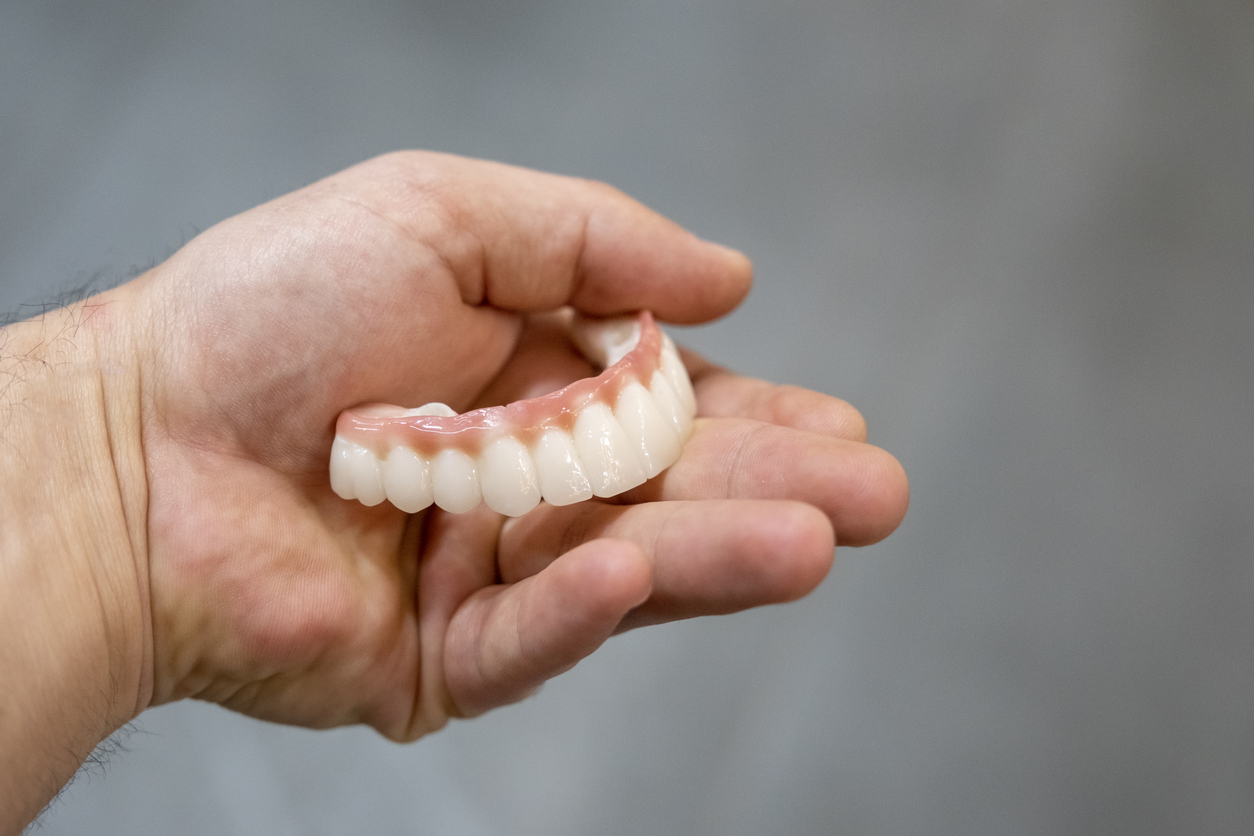
Dentures are removable false teeth that come with a host of benefits, including helping to improve how you eat and speak, as well as boosting your confidence by restoring your smile. They can also enhance facial shape, especially around the lips and in the cheek area. You can either have partial dentures for a few missing teeth or full dentures to replace a whole set of teeth on the upper or lower jaw.

What are the benefits of dentures?

  • Strong and stable way to replace one missing tooth or a whole arch of teeth
  • Highly natural-looking, blending seamlessly with any existing teeth
  • Provide crucial support to your facial structure
  • Enhance the way you eat and speak
  • Easy to clean and look after properly

Different types of dentures

Types of dentures vary depending on the material that the base is made from. The best of these is undoubtedly a cobalt chrome base. This can be made to be smaller and often does not cover the roof of your mouth, relying instead on adjacent teeth to keep it in place. It is very close fitting and requires more precision to make than other types. It can only be used when the other teeth and gums are quite healthy.

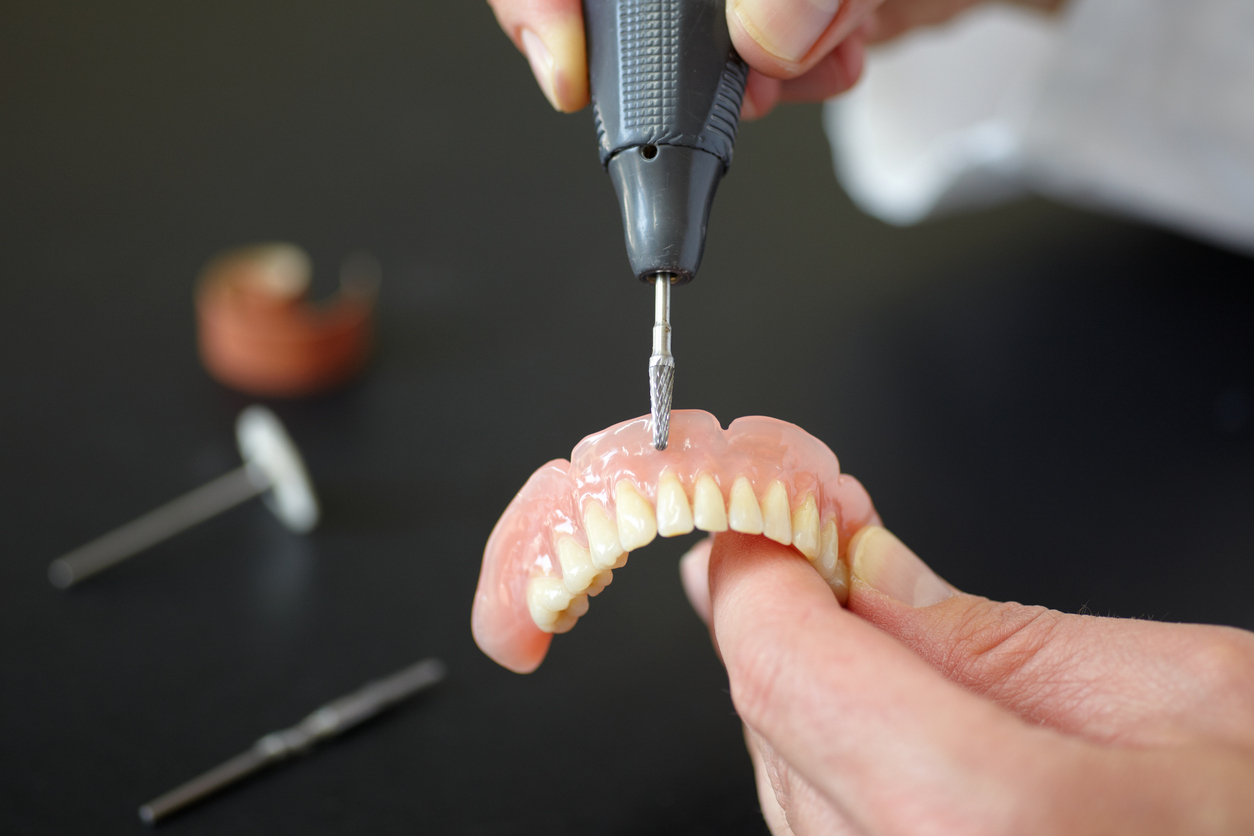
If you are not suitable for a cobalt chrome denture or want a slightly cheaper alternative, then dentures are made from acrylic. These tend to be a bit bulkier than cobalt chrome, usually cover the roof of your mouth, and are slightly more inclined to fracture. However, if made well there is no reason why they should not last many years.

What is involved in having dentures made?

Making and fitting dentures can be quite an involved process so you may have to attend several appointments to ensure the final set of dentures are a secure and comfy fit.

Following a comprehensive consultation, impressions of your mouth will be taken so a wax model can be produced and checked for fit, bite and comfort. This is changed and adjusted until we are both happy with the look and feel of the model.

Your final set of dentures will be manufactured in a laboratory and, when ready, you will be invited in for a fitting. If you are having complete dentures, these will be fitted in the top or bottom of your mouth. This complete denture will consist of a gum coloured arch with a set of prosthetic teeth attached. Partial dentures will be used if you only have one or a few missing teeth and may be held in place with metal hooks attached to existing teeth.

It can take a little while to get used to your new dentures, so we give you some tailored tips and advice to help.


Frequently asked questions

How do I look after my dentures?

To ensure your dentures last, treat them with care. Always remove them before bed to allow your gums to rest, and store them in water or denture fluid to prevent them from drying out and losing their shape.

How do I keep my dentures clean?

Clean your dentures with a toothbrush or a special denture brush and remember to keep your gums and any remaining teeth clean too. You will also need to attend regular check-ups so your dentist and hygienist can keep an eye on your oral health.

How many hours a day should I wear new dentures?

When you first get new dentures, aim to wear them for at least 8 hours a day. This helps your jawbone and gums adjust and prevents discomfort. Taking them out at night is generally recommended to allow your gums to rest.

What should I avoid when getting used to dentures?

While your mouth is adjusting or healing, it’s best to avoid hard, chewy, sticky, or spicy foods, and alcohol. When eating, try to take small bites and focus on the chewing process to get accustomed to the new feel.

How do I eat with dentures?

It can take a little while to get used to your new dentures, especially if they are a complete set. They may feel odd at first and eating can be tricky, so it may be a good idea to start with softer foods and slowly introduce more challenging items. The amount of saliva in your mouth may increase, but this should soon improve as your mouth gets used to your replacement teeth.

Will I be able to speak properly with dentures?

You might find speaking a bit difficult at first. Reading aloud can help you practice and improve. If you experience any sore spots, the denture might need a slight adjustment from your dentist.

Default Alt Text
Midlands Dental Group logo

Contact Carlton House Dental Practice

For more information about our dental practice, any of our treatments, to book an appointment, or anything else, please get in touch. Our friendly team is always happy to help - we’re looking forward to hearing from you!

Carlton House Dental Practice
56 Shilton Road, Barwell, Leicester LE9 8HA 01455 848570 Email Carlton House Dental Practice
Monday:
09:00 - 17:15
Tuesday:
09:00 - 20:00
Wednesday:
09:00 - 20:00
Thursday:
09:00 - 20:00
Friday:
09:00 - 17:15
Saturday:
Closed
Sunday:
Closed