Dentures

Strong, stable and aesthetic replacement teeth

Dentures are removable replacement teeth that are designed to transform the way your smile looks and functions. They make eating and speaking much easier and help sustain your facial shape, restoring your confidence and self-esteem. Partial dentures are used for a few missing teeth and full dentures can replace a whole set of teeth on the upper or lower jaw.

What are the benefits of dentures?

  • Beautifully lifelike appearance, blending perfectly with any existing teeth
  • Strong, stable and durable restorative option
  • Support your facial structure and prevent premature ageing
  • Enjoy eating your favourite foods and talk with confidence
  • Easy to keep clean and look after at home
information arrow Book an appointment

Different types of dentures available

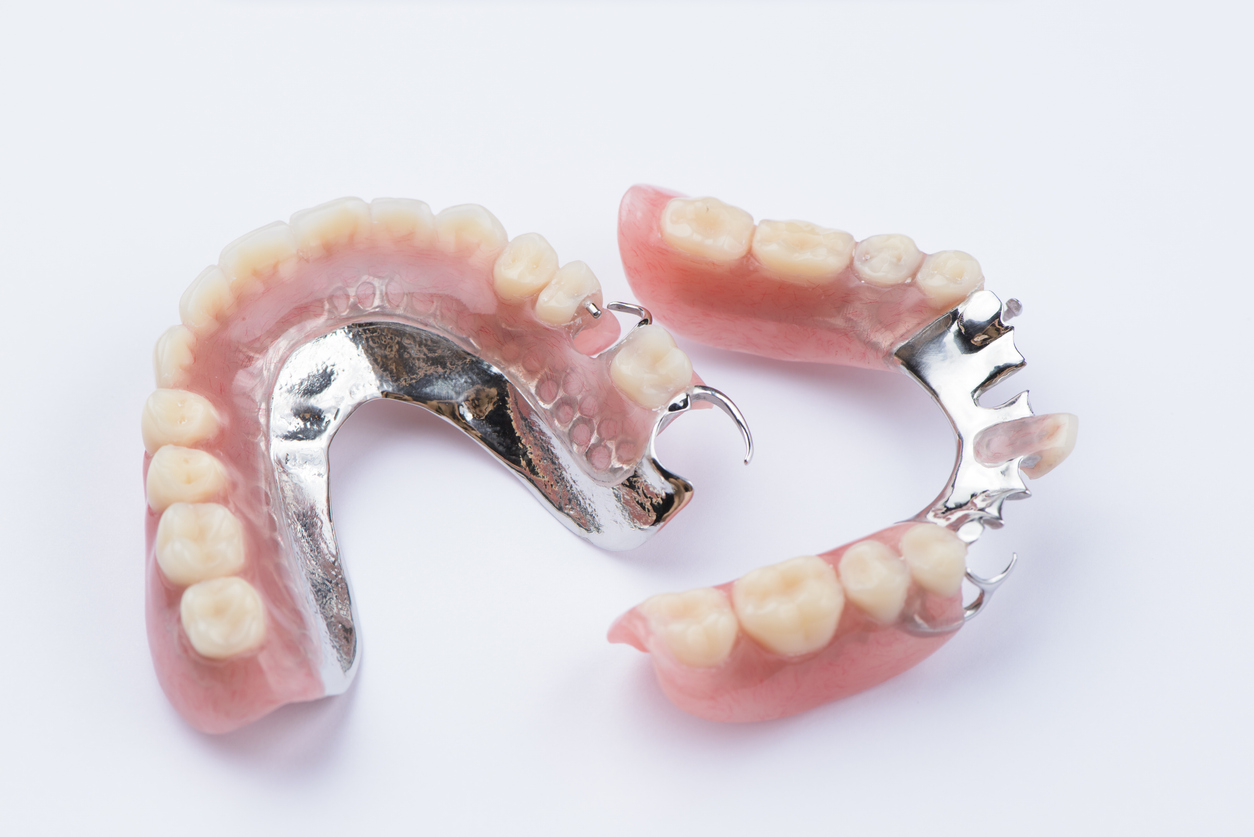
Dentures can be made from a range of different materials, including cobalt chrome and acrylic. A cobalt chrome base is considered a superior option, as it is often smaller and doesn’t cover the roof of your mouth, keeping your taste sensations unaffected. It relies on the adjacent teeth to keep it in place, so these need to be healthy.

If you are not suitable for a cobalt chrome denture or are looking for a more cost-effective alternative, acrylic dentures are a good option. They are slightly bulkier than cobalt chrome and usually cover the roof of your mouth, but well-made acrylic dentures should last for many years.

What does the denture treatment process involve?

Having dentures made is a precise process, so it can take several appointments to make sure your final dentures are well-fitting and look great.

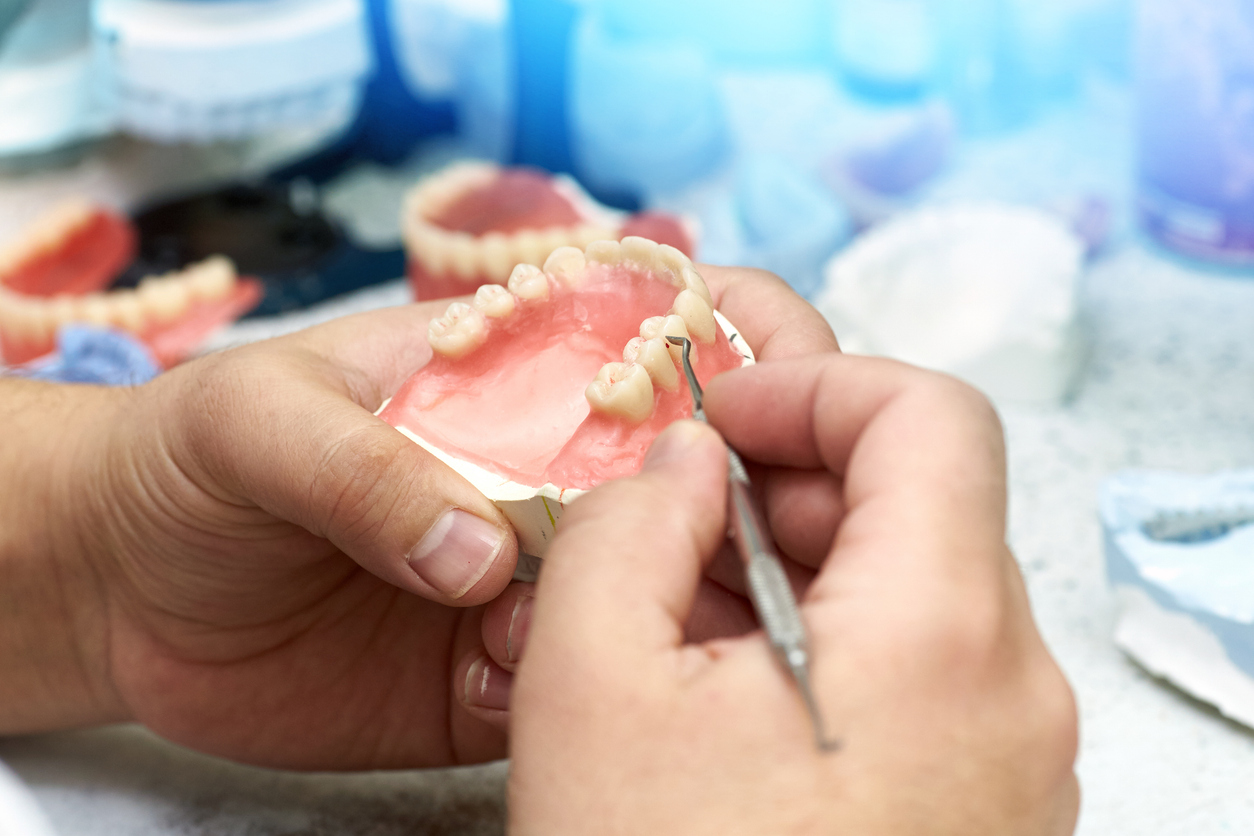
After a detailed consultation where we discuss your smile goals and treatment process, we take impressions of your mouth in order to create a model denture. This is checked and adjusted for fit, bite and comfort until you are completely happy with the look and feel.

Your final dentures are then custom-made in a specialist dental laboratory. When they are ready, we show you how to fit them in your mouth. Complete dentures consist of a gum-coloured arch with prosthetic teeth attached, and are fitted snugly over your upper or lower jaw. Partial dentures are held subtly and securely in place using clasps attached to your existing teeth.

It can take a little while to get used to your new dentures, so we give you some tailored tips and advice to help.

Frequently asked questions

How do I look after my dentures?

To keep your dentures in great condition, always handle them with care. We highly recommend taking them out before you go to sleep to give your gums a chance to rest. While you sleep, pop your dentures into a glass of water or a dedicated denture-cleaning solution to keep them from drying out and losing their shape.

How do I keep my dentures clean?

Just like natural teeth, dentures need daily brushing to remove food and plaque. Use a soft-bristled toothbrush or a specialised denture brush. Don’t forget to gently brush your gums, tongue, and any remaining natural teeth too. It is also important that you keep up with your regular dental check-ups so your dentist can monitor your overall oral health.

What do I need to avoid with dentures?

It’s best to avoid hard & chewy foods, as well as sticky or spicy foods and alcohol while your mouth is sore or healing. To get used to the feeling of dentures, you should try not to rush eating so you can focus on the eating process and take small bites or cut up your food into bitesize pieces so less chewing is required.

How many hours a day should I wear new dentures?

When you first take your new dentures home, try to wear them for at least 8 hours during the day. This gives your tongue, cheeks, and jawbone the chance to get used to the new shape and helps prevent any rubbing. It’s best to take them out overnight to keep your gums healthy.

How do I eat with dentures?

It can take a little while to get used to your new dentures, especially if they are a complete set. They may feel odd at first and eating can be tricky, so it may be a good idea to start with softer foods and slowly introduce more challenging items. The amount of saliva in your mouth may increase, but this should soon improve as your mouth gets used to your replacement teeth.

Will I be able to speak properly with dentures?

You might notice a slight lisp or find certain words a little difficult to pronounce in the beginning. It is a good idea to practice reading aloud at home to get your tongue used to the new alignment. If you develop any sore spots or rubbing, simply pop back in to see us so we can make a quick, comfortable adjustment for you.

Default Alt Text
Midlands Dental Group logo

Contact Long Street Dental

If you’re looking for more information about our dental practice, any of our treatments, to book an appointment, or anything else, please get in touch. Our friendly team is always happy to help. We can’t wait to hear from you!

Long Street Dental
14 Long Street, Devizes, Wiltshire SN10 1NN 01380 723691 Email Long Street Dental
Monday:
08:30 - 17:30
Tuesday:
08:30 - 17:30
Wednesday:
08:30 - 17:30
Thursday:
08:30 - 17:30
Friday:
08:30 - 17:00
Saturday:
Closed
Sunday:
Closed

Closed for lunch 1-2pm